Video Artist & Music Composer JOHN ZIEMAN creates large-format multi-channel video installations, and single channel works.
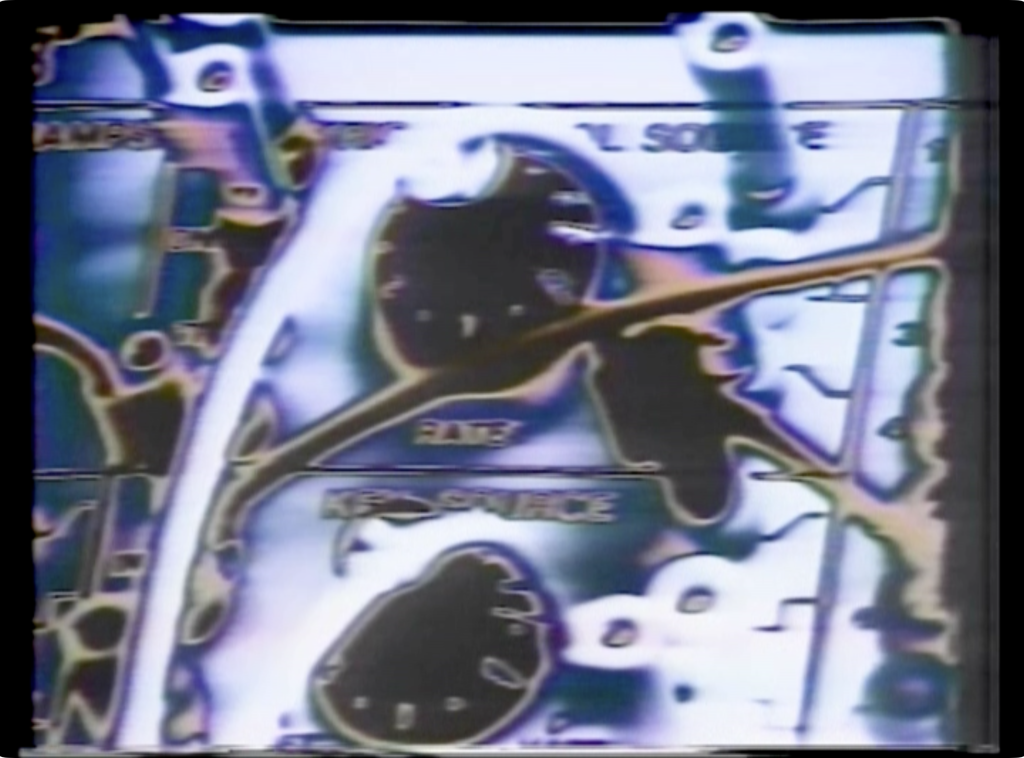
In 1980 he creatively helmed a multi-monitor live event at Boston’s ICA featuring his custom-built video synthesizer, 7 cameras, live music & performance.
Moving to NYC in 1980, John Zieman started a several-years collaboration with Nam June Paik, editing and creating footage with John’s synthesizer . Their work together culminated with Nam June sending John on a lecture tour to Kunst Academie, Dusseldorf and the American Center, Paris, showing John’s work, and sharing his reflections upon the creative explosion in NYC, as Video Art met the new energy at the birth of Music Video.
His 1986 solo work PORTRAIT OF A STATE OF MIND, with his music, premiered at the Museum of Fine Arts, Boston.
In 1995, Diane Keaton commissioned Zieman to compose music for her feature film HEAVEN.
In 2003 Zieman created a video for HYSTERICAL MUSIC by composer Nico Muhly, and one for OCEANA by composer Paola Prestini; which were projected onstage above the live orchestra for Lincoln Center’s concert series “VIA”, and toured nationally.”
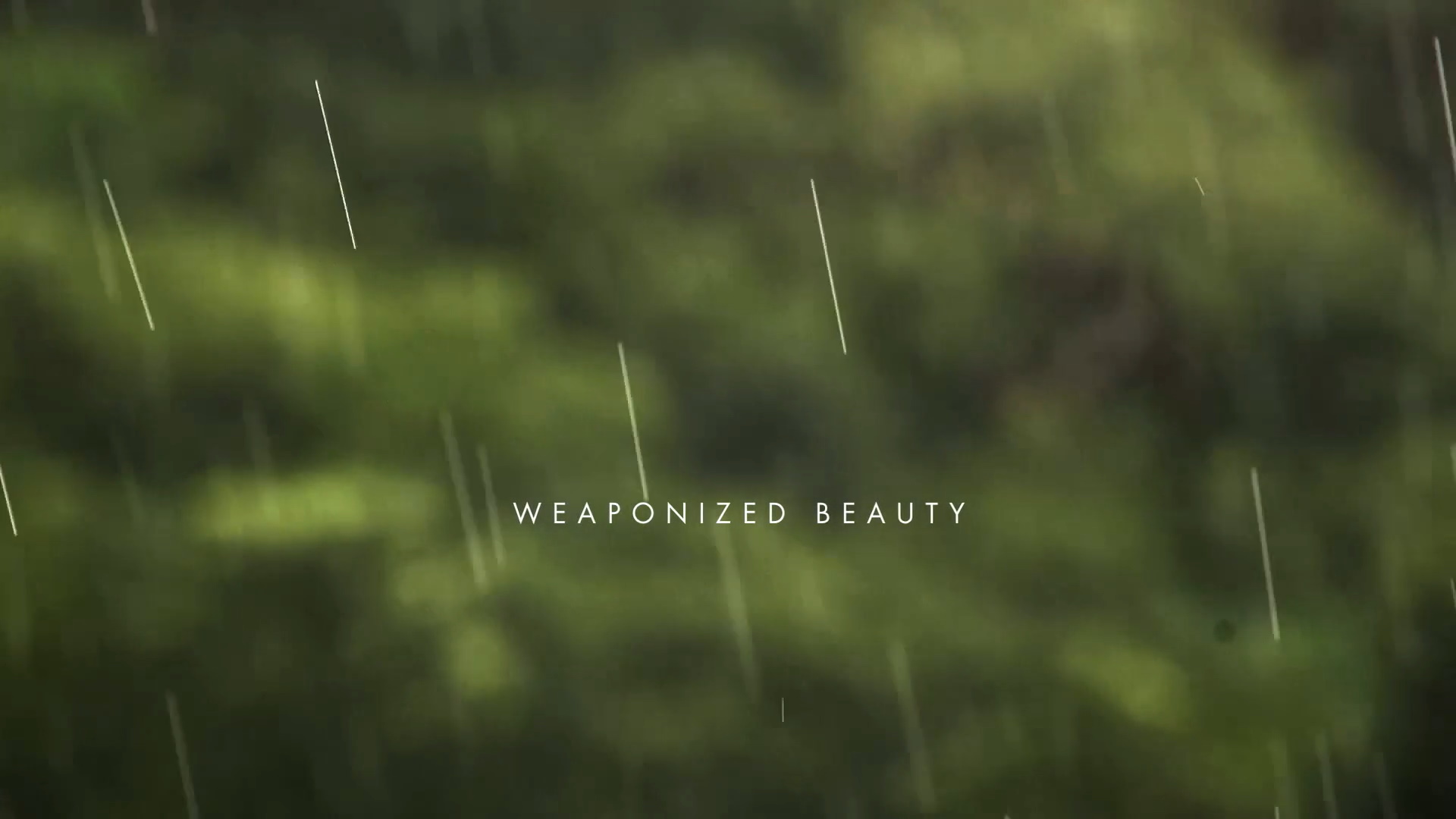
Zieman’s wide-screen installation/music compositions explore the modern challenges confronting the classic artistic search for beauty. Unusually for this cinematic level of production, Zieman works totally alone, lensing and editing the layered picture, while he composes and performs the 48 tracks of sound and music – sImultaneously mastering the entire composition throughout. These works both exploit the pixel-rich, wide canvas – strategically overwhelming the viewer’s peripheral vision. WEAPONIZED BEAUTY (2014) features a triptych; 3-channels of HD video. Texts appear on the screen, sometimes poetic, sometimes punchy.
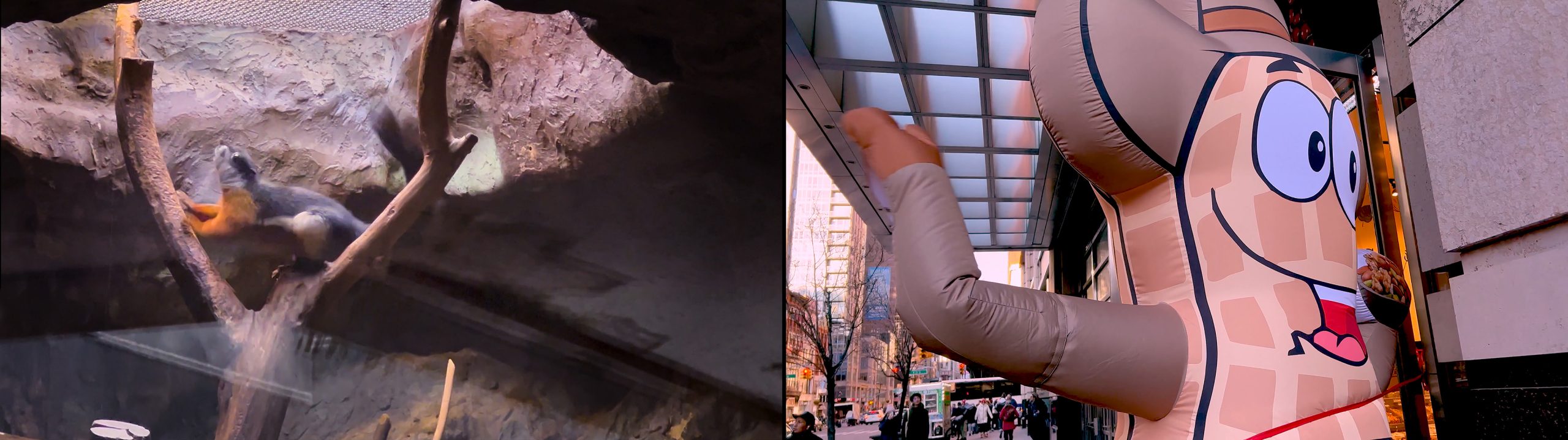
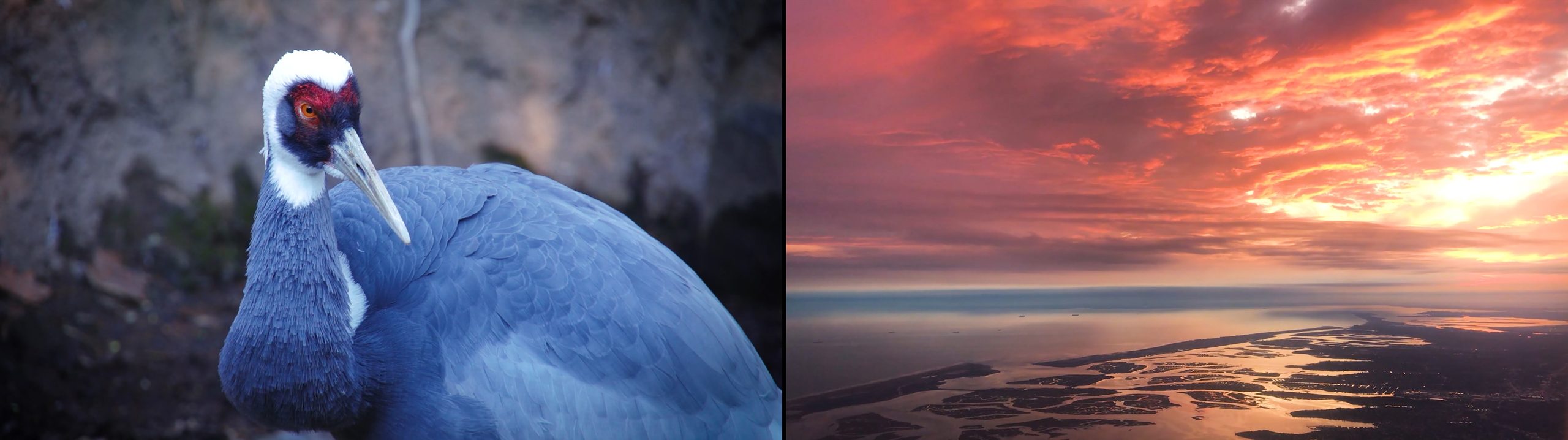
His recent work, “OTOH (ON THE ONE HAND)”, (2026) further explores perception overload, with a diptych of 2 channels of 4K imagery, and Zieman’s full sound score. Here he employs the compositional tool “Musique Concrete”, where ‘sounds in nature’ are woven into the composition, as if they are musical instruments. He shares his vocals with the many featured animals and mechanical devices from his footage.
A gentle meditation on “the difficulties challenging traditional beauty in the post-modern era”, this immersive video installation strategically overwhelms the viewer’s eye from 3 sides, filling their peripheral vision.
There is no way to experience the impact of this work, without wearing 3-D glasses. Every frame of the program is composed featuring depth perception; each has a separate left eye and right eye file. Viewers put on the 3D glasses and are transported in a visceral way.
MOUSEYFESTO (2015) (HD, Stereo) Exhibited as a sculpture, featuring a video monitor inside a cork plinth, also exhibited as a single channel HD.
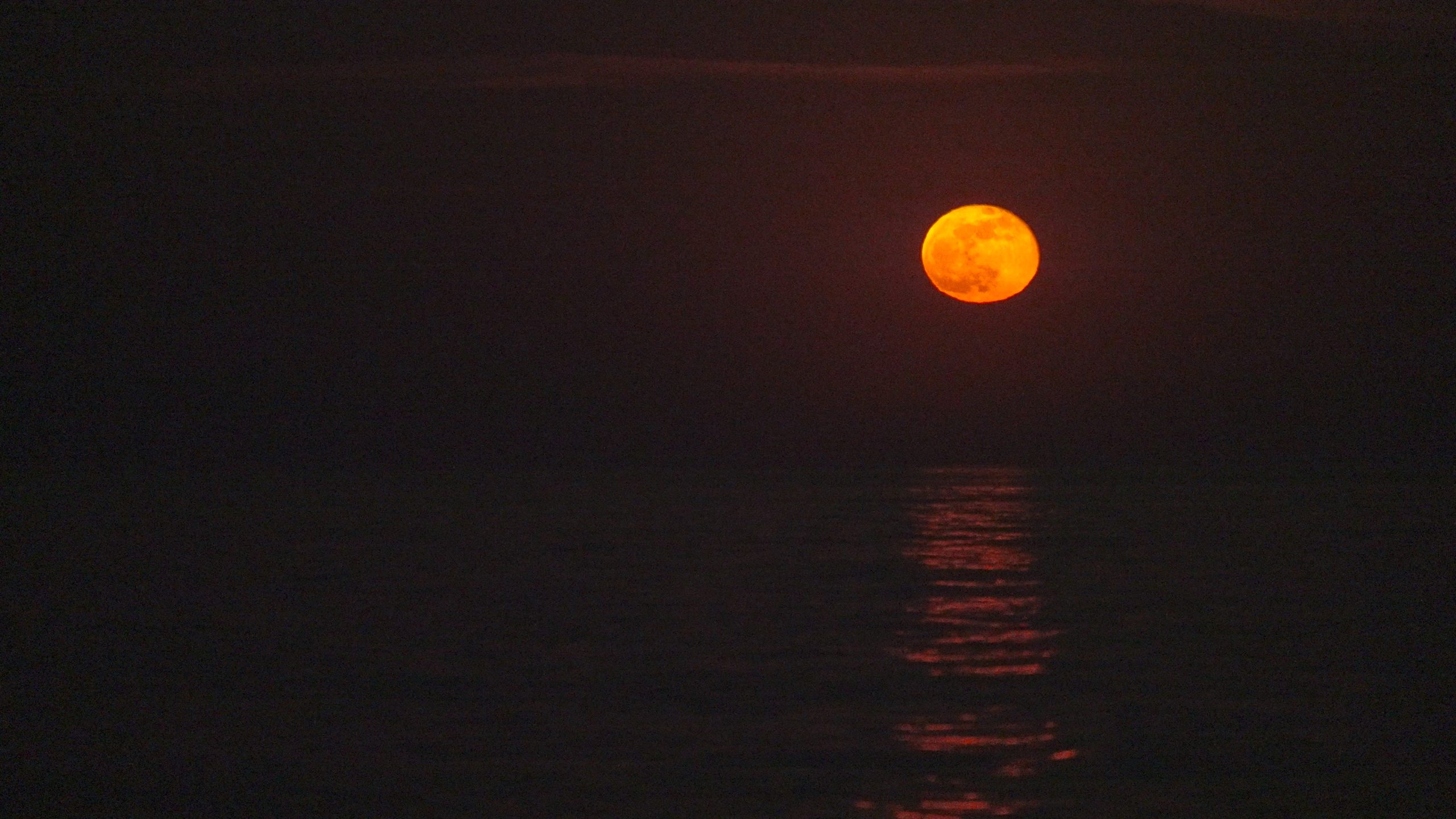
John Zieman shot & edited this 4K video art piece, toward the end of Covid isolation. Lensed entirely in the East End of Long Island, using the Sony FX6 electronic cinema camera.
The music is by composer John Petersen, whose meditative sound work can be explored at experiencejourneybox.com.
Please don’t watch it on your phone or tiny screen. Watch it on your biggest screen.
To see it in 4K, you need a 4K resolution monitor, CLICK ON THE GEAR symbol on the bottom right, set it to 4K, then CLICK THE FULL SCREEN button next to it (with four arrows).
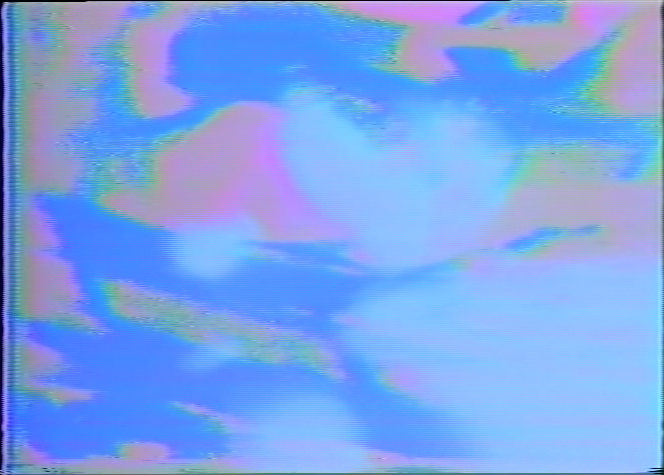
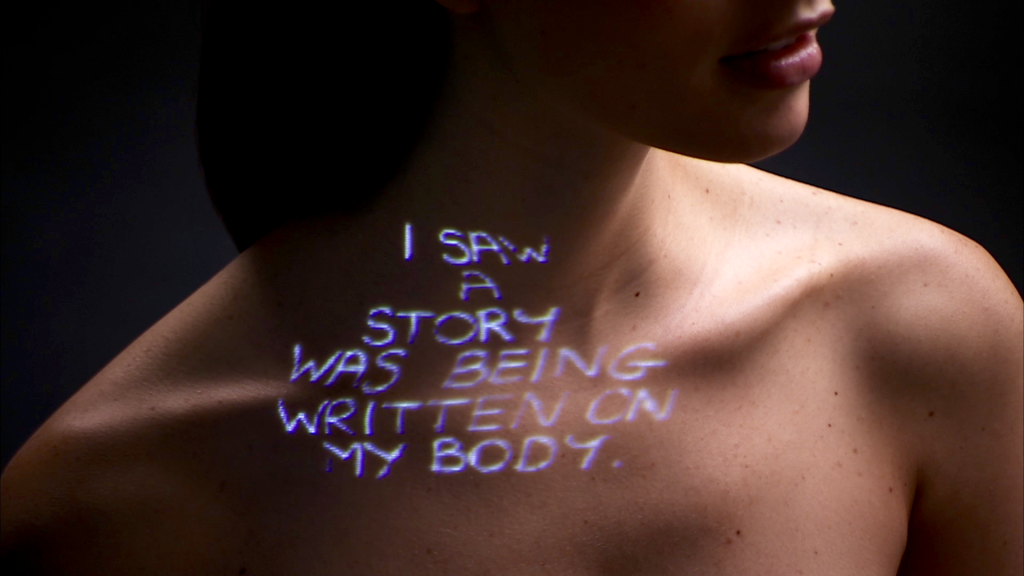
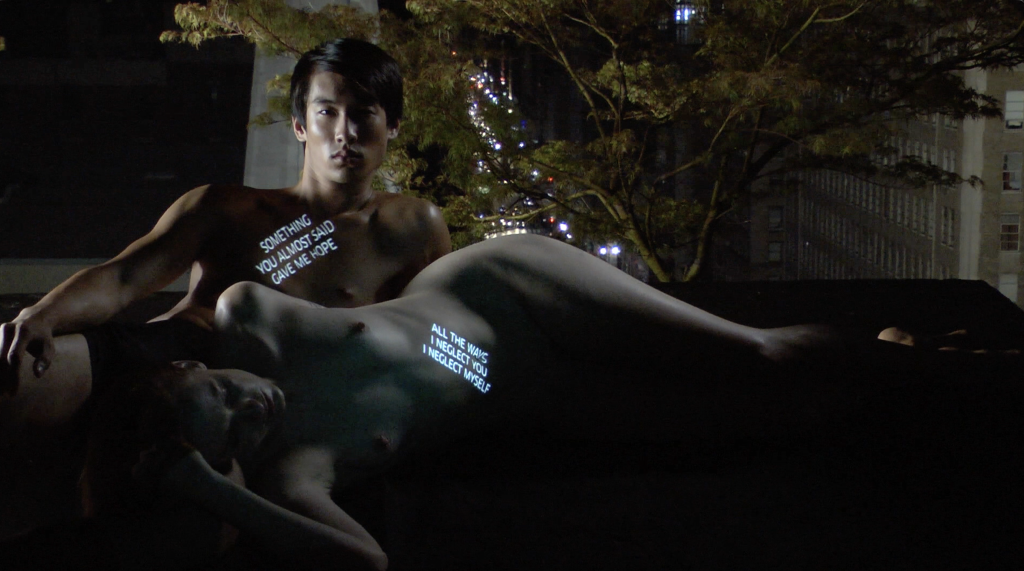
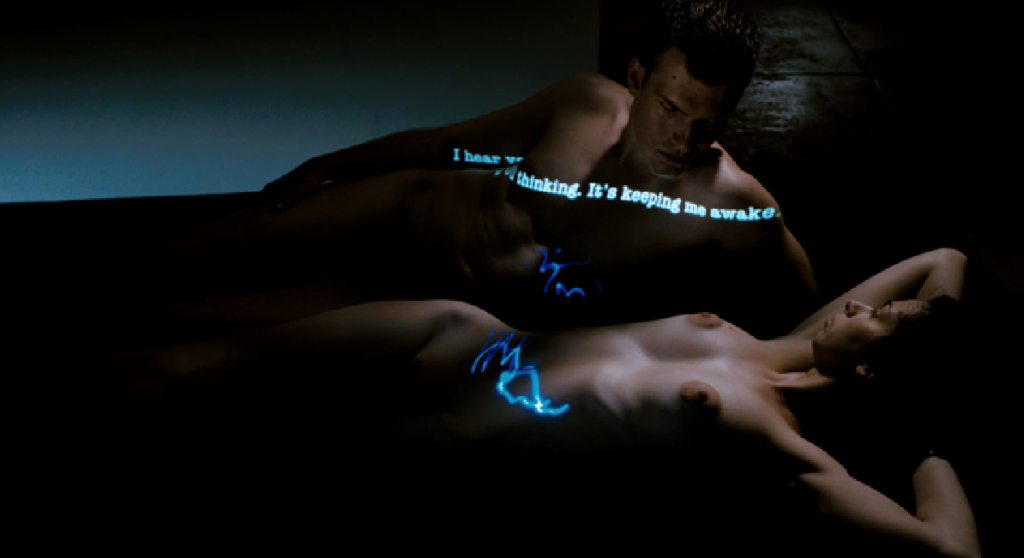
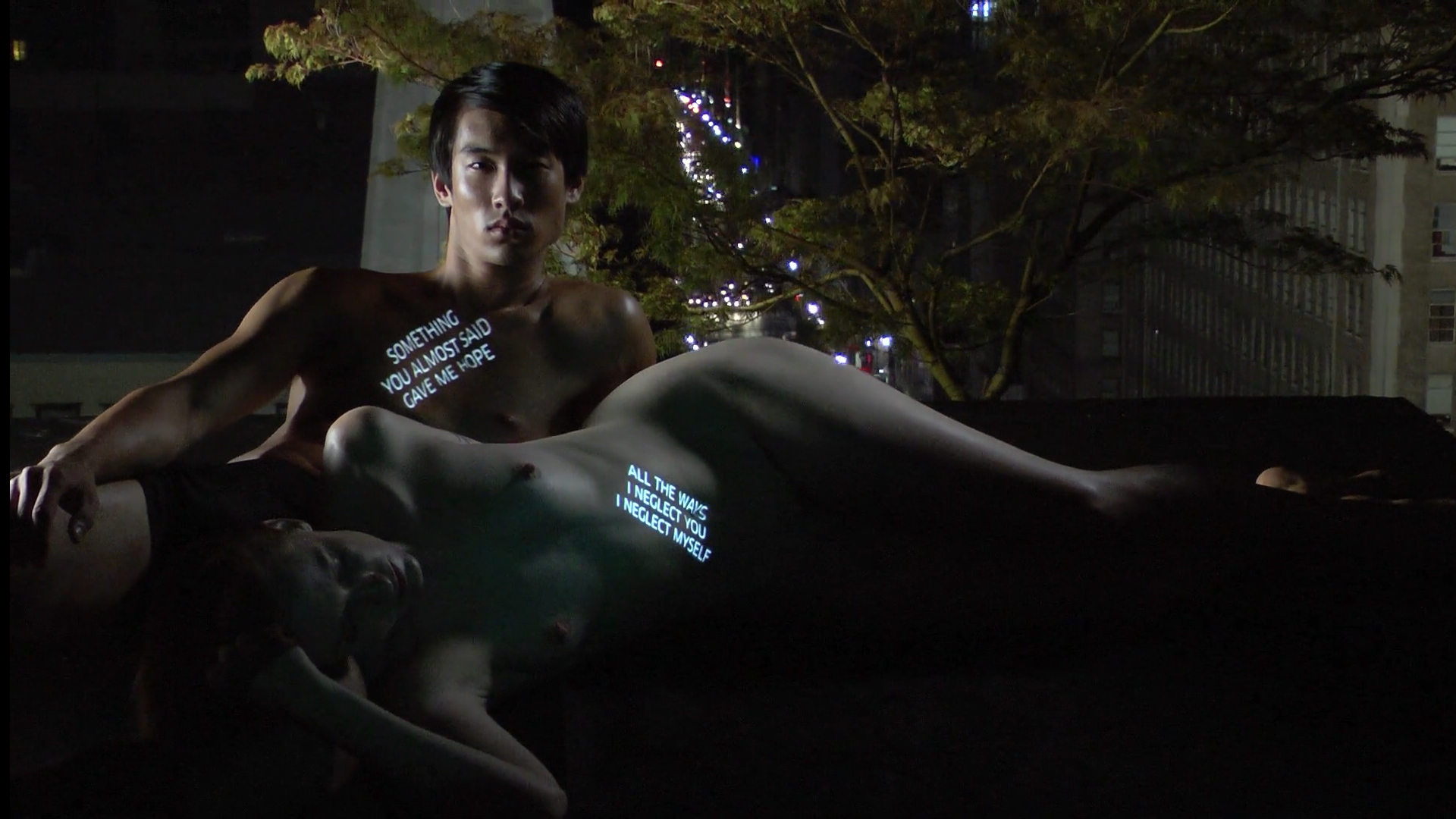
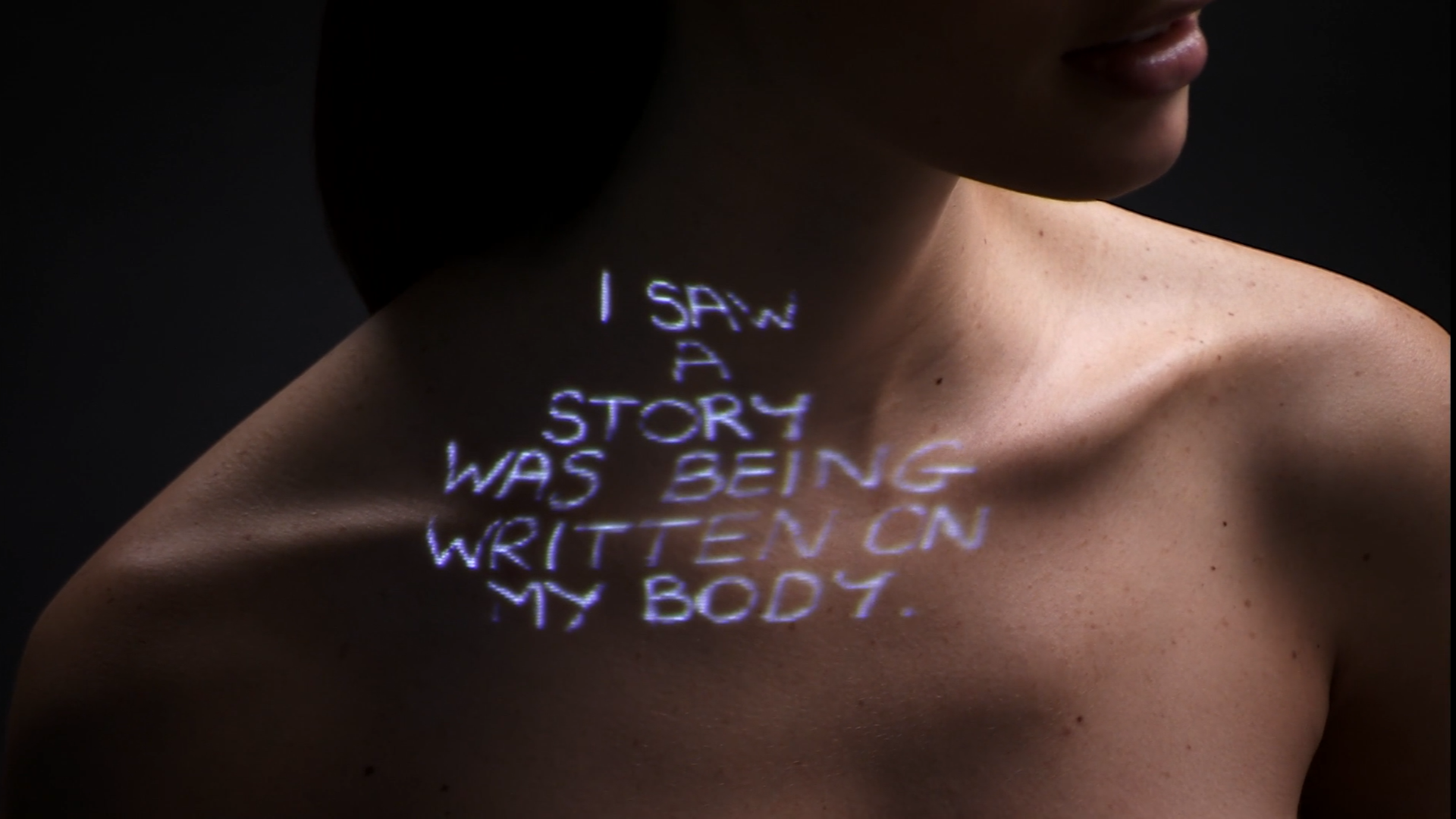
The second work in Zieman’s TIME SUITE series, “First Dream” presents a floating illusory world, featuring the artist’s text literally projected upon the bodies of the subjects, both human and otherworldly.
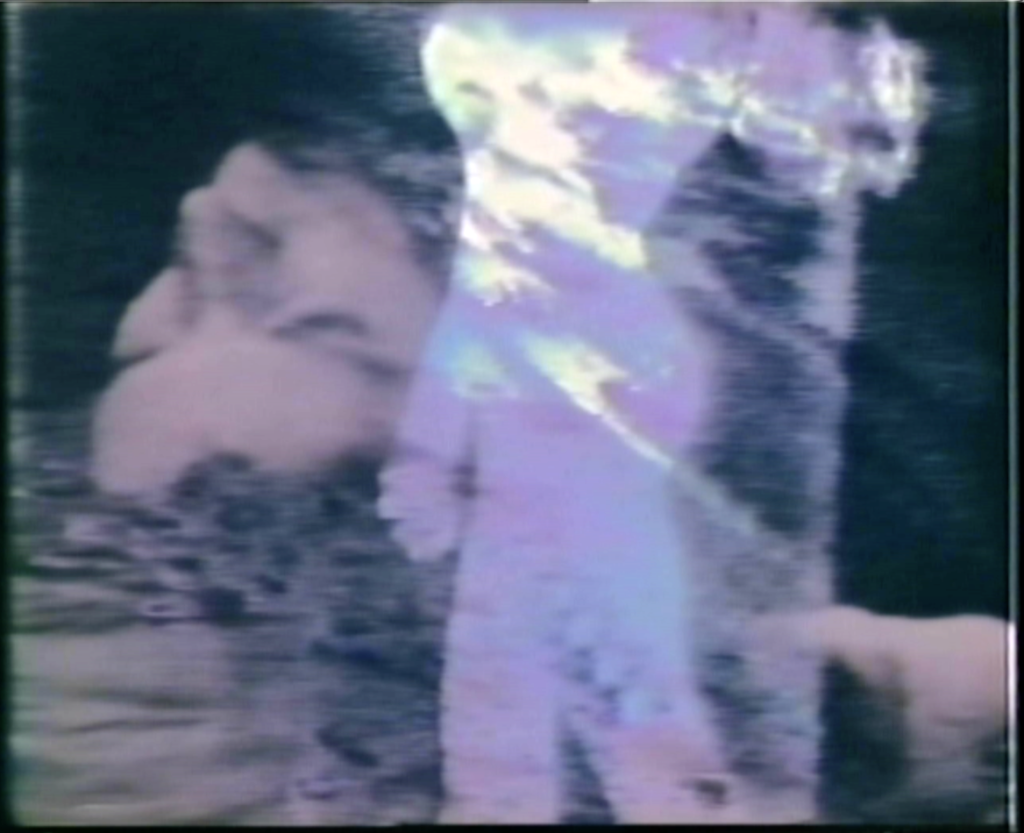
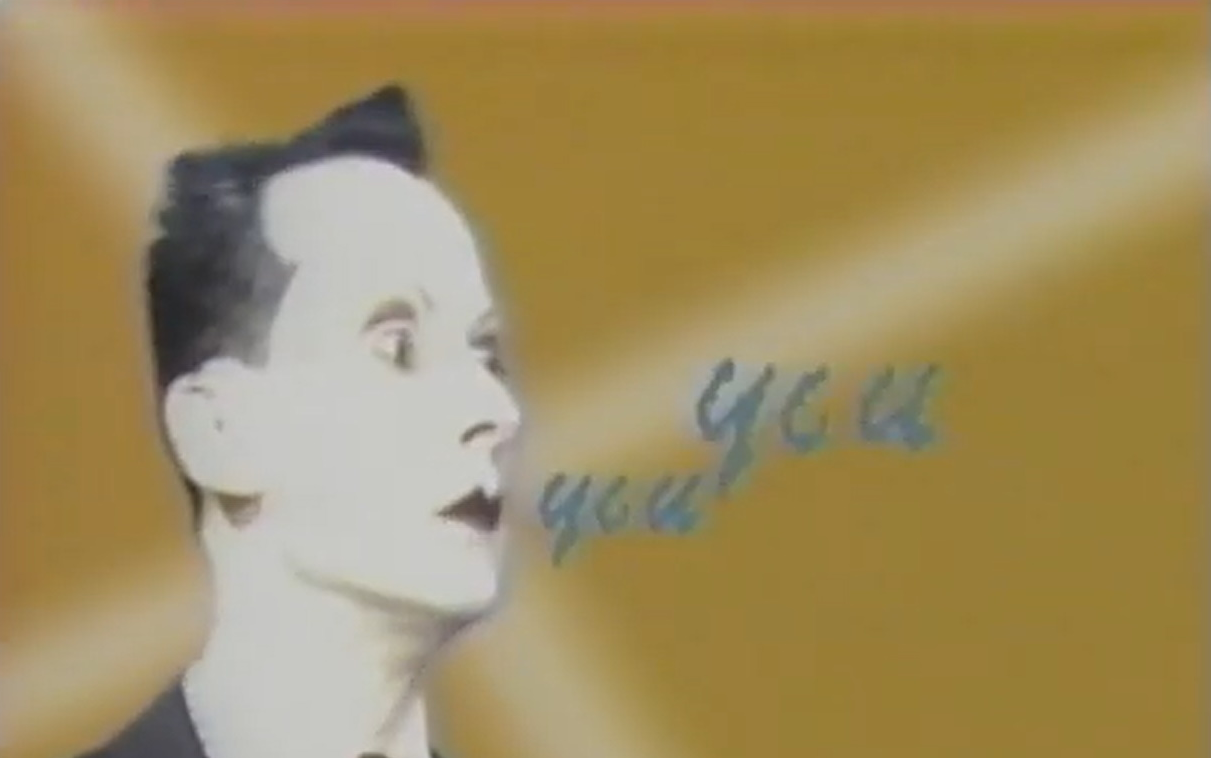
Zieman directed & edited this music video in ’81 for Klaus Nomi, a performance artist with an unusual operatic-style soprano voice, well-loved in Berlin and Downtown NYC, still revered as a cult legend today. Here he demonstrates his early subtle mastery of video feedback, softly flowering titles and fog-like ghosting at the end.
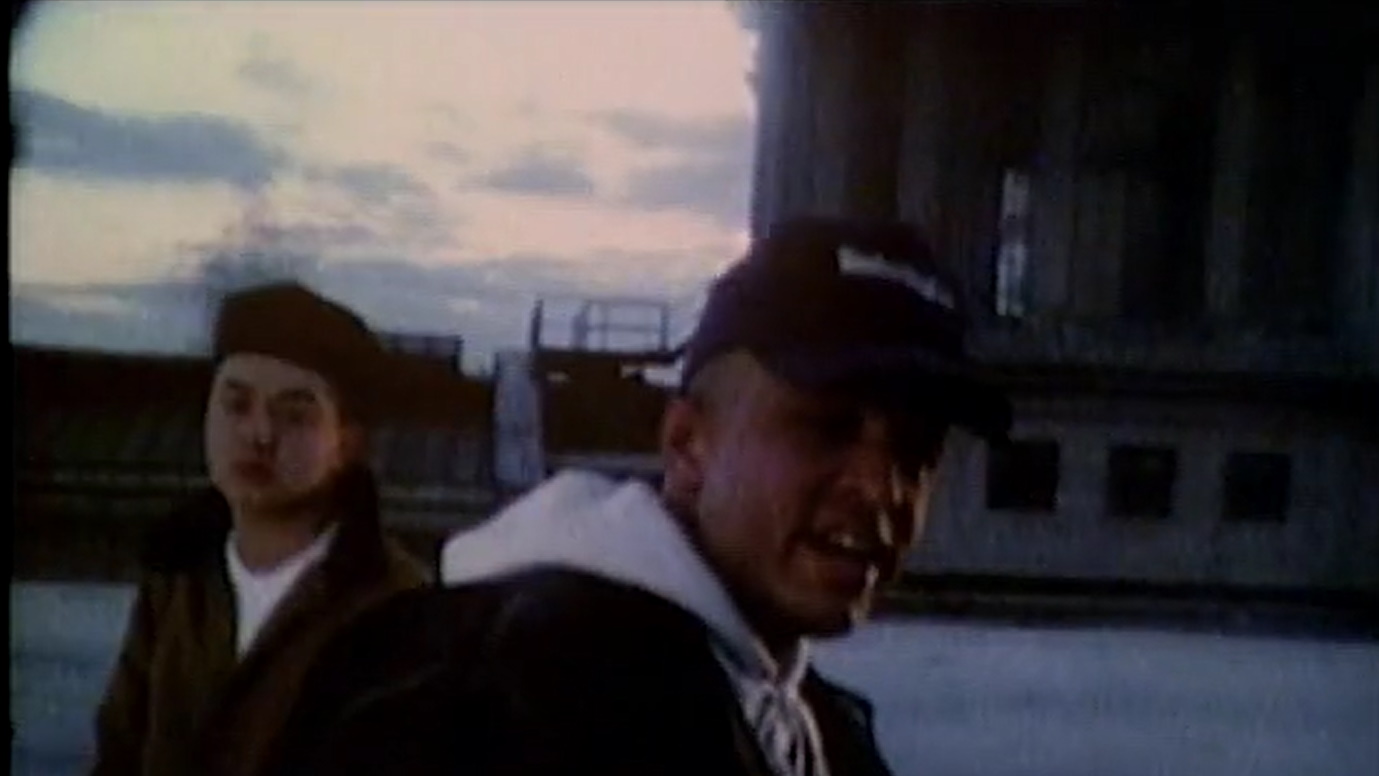
Zieman directed this for Def Jam label in 1989. Though times would soon change, during production he had to battle with the band — they suspected he was making them look “too Slick” and styled. Unforgettably, there were guns in the edit room. Lensed by Manfred Reiff.